What Is Reason (Ratio)?
Reason (ratio) is the habit of mind by which we think rightly about what must be done. It is the ability to deliberate well about practical matters, moving from universal moral principles to sound judgments in particular situations. Through reason, the intellect connects principles related to good thought andaction to concrete, specific action in our present experience.
Saint Thomas Aquinas teaches that reason belongs to prudence by its very essence because prudence is not a blind impulse toward the good, but a rational judgment about how the good is to be achieved here and now.
“Reason belongs to prudence, since it is the act of prudence to reason rightly about things to be done.”
— Summa Theologiae II–II, q.47, a.1
Reason asks not only what is good in general, but what is good for me to do in these precise circumstances. It considers the moral law and precepts, the demands of charity, the concrete details of the situation, and the foreseeable consequences of action. In this way, reason applies universal practical principles—such as justice, honesty, and love of neighbor—to the particular decisions that confront us each day. How do I act justly towards this person right now? What does it mean to be honest in this situation?
Without reason, moral principles remain abstract and risk being unused or underutilized. With reason, they become living guides for action, shaping our choices so that they are not merely well-intentioned, but rather shape the person we become through daily decisions and choices.
Reason Is Not Rationalization
It is crucial to distinguish reason from rationalization. Rationalization begins with a desired outcome and works backward to justify it. Reason begins with truth and allows the conclusion to follow—even when inconvenient.
Rationalization serves our passions or emotions. Reason governs them.
Saint Thomas is clear that reason must be right reason—reason ordered to reality and the moral law. When reason is corrupted by pride, fear, or disordered desire, it runs the risk of becoming an instrument of self-deception rather than guiding wisdom and truth.
True reason:
- Submits to truth despite the personal cost
- Respects moral limits
- Is willing to say “I cannot” or “I must not”
- Accepts sacrifice when required by the good
The Role of Reason in Prudence
Prudence is often misunderstood as mere caution. In reality, prudence is the virtue that perfects reason in action. Reason is the engine; prudence is the driver.
Saint Thomas explains that prudence does three things:
- Takes counsel (deliberation)
- Judges what ought to be done
- Commands action
Reason is especially active in the first two stages. It weighs options, compares means, considers consequences, and measures actions against moral truth.
“The act of reasoning is directed to judgment, which belongs to prudence.”
— ST II–II, q.47, a.6
Without reason:
- Decisions become inconsistent
- Principles are applied selectively
- Emotion or pressure replaces judgment
- Good intentions can ultimately lead to poor outcomes
Reason gives prudence coherence, continuity, and depth.
Reason and Moral Clarity
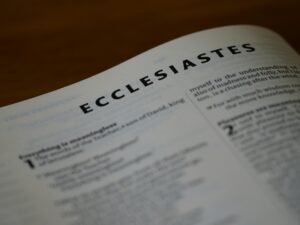
Sacred Scripture consistently links wisdom with reasoning rooted in God’s law:
“Give me understanding, and I will search thy law; and I will keep it with my whole heart.”
— Psalm 118:34
The reasonable person does not ask only, What do I feel like doing? or What will work? but:
- What is just?
- What is fitting?
- What accords with my duties and state in life?
- What leads toward my final end?
Reason keeps our decisions aligned with who we are and what we are for.
How Can We Grow in the Virtue of Reason?
The virtue of reason is strengthened through disciplined thinking, moral formation, and habitual reflection. Below are practical ways to cultivate ratio in daily life.
- Learn and Internalize First Principles
Reason cannot function well without principles. You cannot apply what you do not know.
Key moral principles to internalize:
- Good is to be done and pursued; evil is to be avoided
- The end does not justify the means
- We must not do evil that good may come
- Justice requires giving each his due
- Charity orders all virtues toward love of God and neighbor
How to practice:
- Study the Ten Commandments and the Beatitudes
- Read the Catechism of the Catholic Church and other writing of the saints and moral theologians on moral decision-making
- Memorize short moral maxims you can recall under pressure, including passages from Scripture that direct certain choices or actions
Example:
When faced with a tempting shortcut that involves dishonesty, reason recalls the principle: I may not choose an evil means, even for a good end.
- Practice Deliberate Moral Reasoning
Reason grows stronger when exercised intentionally.
Before important decisions, train yourself to reason step by step:
- What is the situation?
- What are my possible actions?
- Which moral principles apply?
- What are the foreseeable consequences of each option?
- Which option best conforms to truth and charity?
Exercise:
Write out decisions occasionally—especially recurring or difficult ones. Seeing your reasoning on paper exposes gaps, assumptions, and emotional interference.
Ask:
- Am I reasoning from truth—or from preference?
- Would this reasoning still hold if roles were reversed?
- Could I explain this decision calmly and honestly to a wise person or would I feel like I am rationalizing my decision to them?
- Order the Passions
Reason cannot rule when the passions dominate. Saint Thomas teaches that virtue does not destroy emotion, but orders it.
How to support reason:
- Do not make decisions when angry, fearful, or euphoric
- Recognize emotional pressure as a signal to slow down
- Name your emotions without obeying them
Practices:
- Delay major decisions after emotional events
- Use brief pauses before responding
- Cultivate temperance in food, drink, and media—excess weakens reason
Reason flourishes in an interior climate of moderation.
- Reflect After Acting
Reason is strengthened retrospectively as well as prospectively.
Daily or weekly reflection:
- What decision did I make?
- Was my reasoning sound?
- Where did emotion, habit, or fear interfere?
- Did I ignore a principle I knew?
This examination trains the mind to reason better next time.
Spiritual application:
During an examination of conscience, ask not only what you did, but why you chose it. This can serve to purify reason and aligns it more closely with truth.
- Submit Reason to Truth and Authority
Reason is perfected, not diminished, by humility.
Ways to practice:
- Seek guidance from those wiser than you, such as your spiritual director
- Test your reasoning against Church teaching
- Read Saint Thomas and other sound moral teachers
- Be willing to revise conclusions when shown to be wrong
Reason becomes unreliable when it becomes isolated.
Docility feeds reason. Pride starves it.
Conclusion: Thinking Clearly So We May Act Well
The virtue of reason anchors prudence in truth. It connects eternal principles to temporal decisions. It ensures that our actions are not merely well-intentioned, but well-judged.
Shrewdness helps us see quickly. Reason helps us see rightly.
Docility helps us listen. Reason helps us judge.
Together, these virtues form a prudence that is neither rash nor timid, neither rigid nor vague—but steady, luminous, and trustworthy.
In the next post, we will turn to foresight (providentia)—the virtue that helps us to look ahead, anticipate outcomes, and order present actions toward future good.
If you desire greater clarity in your moral judgments—especially when facing complex or emotionally charged decisions—and want to grow in reasoned prudence rather than impulse or rationalization, you do not have to undertake that work alone. Developing the virtue of reason often involves learning to think more clearly about practical matters, to order emotions under truth, and to apply moral principles faithfully to concrete situations. Consider scheduling an appointment with one of our professional counselors to receive compassionate, faith-informed support as you grow in sound judgment, interior freedom, and a well-formed conscience rooted in prudence.